We will walk you through practical steps, pitfalls to avoid, and clear comparisons so you can choose responsibly.
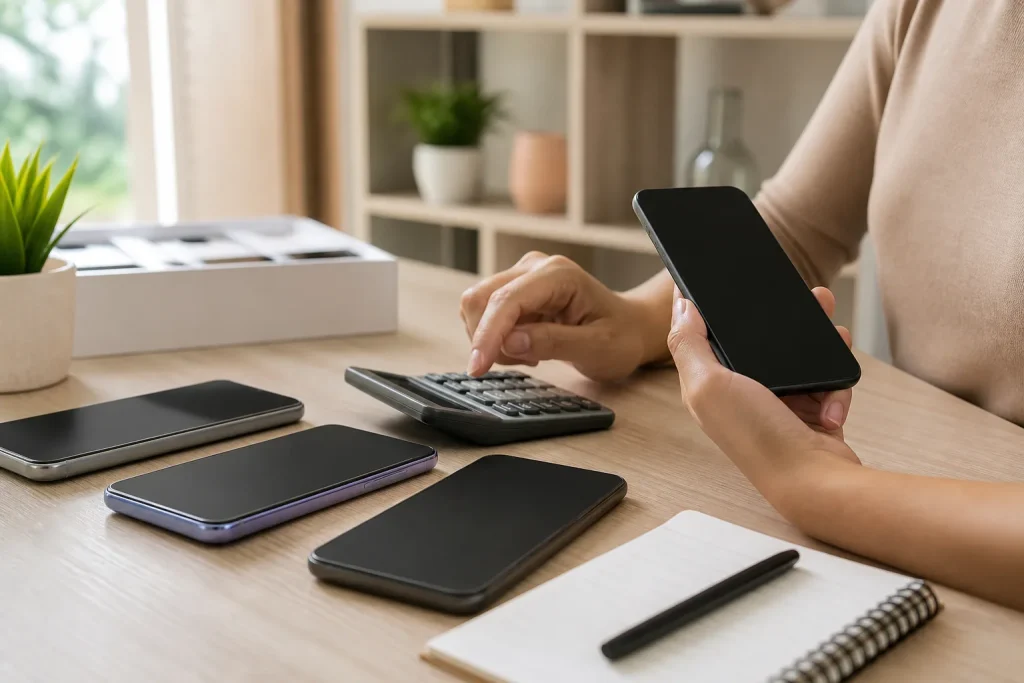
What this guide covers
This guide explains how buy now pay later phone plans and no credit check offers actually work.
You will find step by step instructions, real world examples, and tips to protect your wallet.
I will use plain language and everyday analogies so the options feel less confusing.
Why BNPL for phones is popular
Lower upfront cost makes new phones feel affordable right now rather than later.
For many people splitting the price into monthly payments is easier than saving for months.
Retailers, carriers, and third party apps push these plans because they increase sales and upgrades.
How BNPL channels work
There are three main channels to get a phone on installments: retailer checkout financing, carrier device financing, and third party BNPL apps.
Each channel has different approval rules, fees, and whether you actually own the phone at the end.
A soft credit check might be used for quick approval while a hard check is more likely with traditional credit applications.
How to buy a phone with BNPL
Follow these steps to reduce surprises and choose the best plan for your needs.
- Choose where to buy by comparing carrier deals, retailer offers, and BNPL apps like Klarna or Affirm.
- Double check whether the offer is financing or lease to own because leases may require you to return the phone.
- Read the full payment schedule and calculate the total cost including any fees or deferred interest.
- Apply at checkout or through the lender app and watch for soft versus hard credit inquiries.
- Set up autopay if it lowers your rate or avoids missed payment fees.
How to get a phone with no credit check
If a credit check is a problem for you, there are practical alternatives.
- Start with prepaid carriers because prepaid plans usually avoid credit checks entirely.
- Consider lease to own programs or retailer programs that advertise no credit needed while understanding the return rules.
- Use a used unlocked phone and pair it with a prepaid plan for the cheapest, lowest risk route.
Core terms you should know
Understanding the vocabulary helps you compare offers and avoid traps.
| Term | Meaning | Why it matters |
|---|---|---|
| BNPL | Buy now pay later; split a purchase into installments. | Can be easier than loans but terms and costs vary. |
| Soft credit check | A credit review that usually does not affect your score. | Common in BNPL approvals and less risky for your credit report. |
| Lease to own | You pay monthly but may not own the device until conditions are met. | Can limit your ownership rights and increase total cost. |
Pros and cons at a glance
BNPL lowers the initial cash needed and lets people get newer devices sooner.
However some plans increase total cost through fees, deferred interest, or leasing markup.
Plans that avoid hard credit checks may still use income verification or banking history.
Missing payments can lead to fees, service interruption, or loss of the device in lease deals.
Match use cases to the best options
Different goals need different solutions so pick the path that matches your priority.
| Use case | Better fit options | Notes |
|---|---|---|
| Lowest upfront cost | Prepaid carrier plus a used phone | Often avoids credit checks and keeps monthly bills predictable |
| Want a brand new premium phone | Retailer BNPL, carrier financing, Apple partner financing | Approval depends on eligibility and may require soft checks |
| No credit score or poor credit | Lease to own or carrier special programs | Easier to qualify but can be more expensive overall |
Common pitfalls and how to avoid them
Marketing can make no credit check offers sound simpler than they are.
- No credit check does not always mean no approval checks because soft checks, bank verification, or income checks can still block approval.
- Lease to own programs can cost more than purchasing outright, so total price matters more than monthly payment.
- Deferred interest is risky because failing to pay by the deadline can add retroactive interest.
- Returning a leased device at the end of term is often required and may have restocking rules.
Real examples and how companies structure deals
Different providers show different paths with concrete terms and trade offs.
| Provider type | Typical offer | Key detail |
|---|---|---|
| Big retailer financing | 24 month promotional 0 percent with card approval | May require a hard credit check and on time full payoff to keep 0 percent |
| Third party BNPL app | Split in 4 payments or monthly installments | Often uses soft checks and may charge late fees |
| Carrier financing or lease | Monthly device payments with upgrade pathways | May require keeping service and returning device in lease plans |
Tips to negotiate or improve your approval odds
If you want a better deal be prepared to show payment stability or use an existing customer relationship with the carrier.
Ask about soft checks and whether the offer will hurt your credit score before you accept.
Request a detailed written payoff amount and any early buyout terms so you know the real cost.
Set up autopay and calendar reminders to avoid late fees and protect your account standing.
Quick checklist before you sign
Use this checklist at the point of sale to avoid surprises.
- Confirm whether you will own the device at the end or must return it.
- Write down the total cost and monthly payment including all fees.
- Check whether the plan uses a soft or hard credit inquiry.
- Ask about late fees, deferred interest triggers, and early payoff amounts.
Conclusion and final advice
If a no credit check path is essential, favor prepaid service or buying used devices for the lowest long term cost.
When possible test autopay and maintain good payment discipline because the best deals are ruined by late fees.
If you are still unsure, take a deep breath, compare two or three concrete offers, and ask the seller to explain fees in plain language.
Smart choices now will keep your budget steady and get you the phone you need without surprises.